
Best Time to Trade Forex — Matching Sessions to Your Style
October 31, 2026
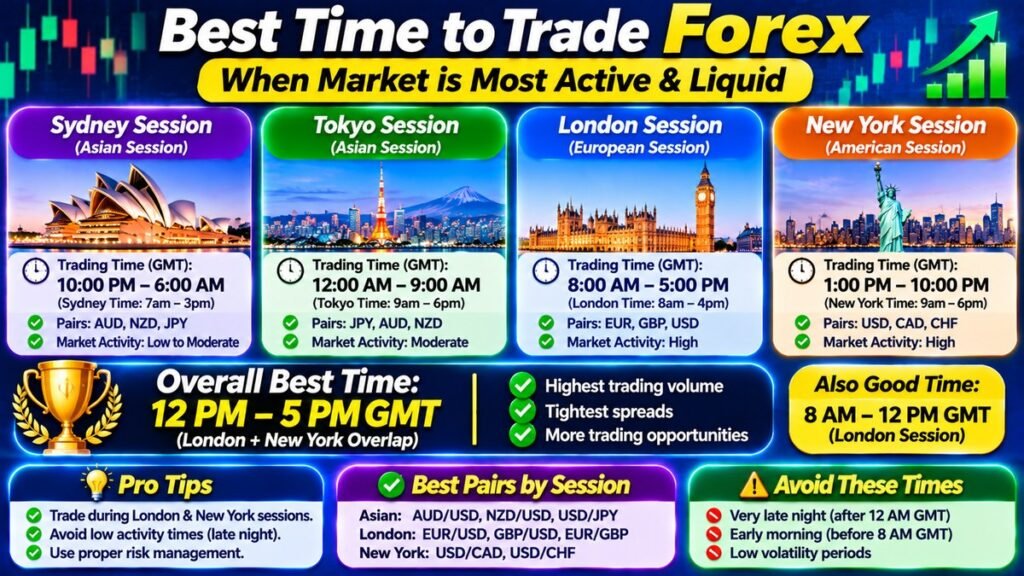
There is no single best time to trade forex. There is only the best time for your strategy, your instrument and your actual life. This final lesson brings together everything from the previous thirteen and turns it into a schedule you can follow.
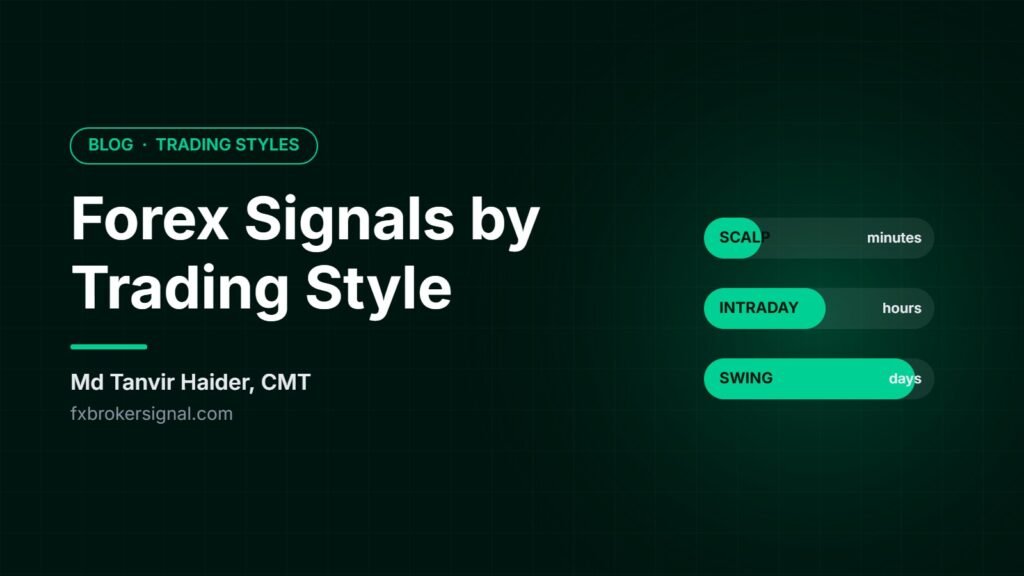
Matching style to session
Your trading style determines which hours help you and which work against you.
Scalping
Scalpers hold positions for seconds to minutes, targeting small moves repeatedly. This style is the most sensitive to costs and conditions of any approach.
Scalping requires the tightest spreads and deepest liquidity available, which means the London–New York overlap, roughly 13:00 to 17:00 GMT. Outside that window, the spread consumes too large a share of each small target.
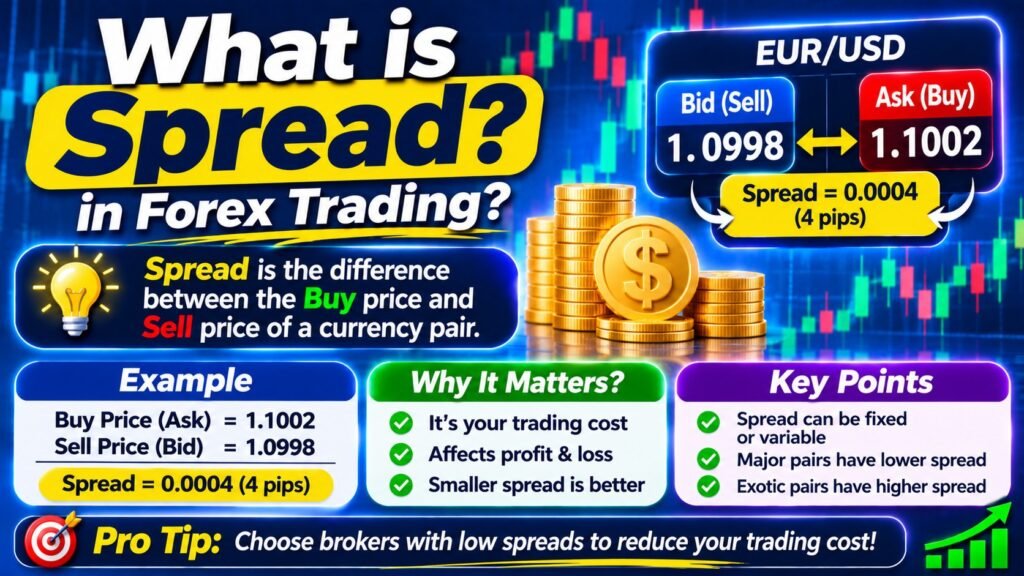
Consider the arithmetic. A scalper targeting 8 pips with a 1.2 pip spread gives away 15% of every winning trade before anything else. Move to a thin session where the spread doubles, and the strategy stops working — not because the analysis changed, but because the costs did.
Intraday trading
Intraday traders open and close within the same day, targeting 20 to 60 pips. This is more forgiving on costs and more flexible on timing.
The London session and the overlap work best. The London open around 08:00 GMT often produces a clean directional move as overnight orders execute, which suits intraday entries well.
Swing trading
Swing traders hold for days or weeks, targeting 100 pips or more. Session timing matters least here, and that is a genuine advantage.
Spread becomes almost irrelevant against a 200 pip target. Analysis happens on daily and four-hour charts, which you can review at any hour. Entries are placed as pending orders that execute whenever price arrives.
For anyone with a full-time job, swing trading is usually the realistic choice — and it is not a compromise. Many consistently profitable traders work this way permanently. Lower screen time also means fewer impulsive decisions, which for most people is a net gain.
News trading
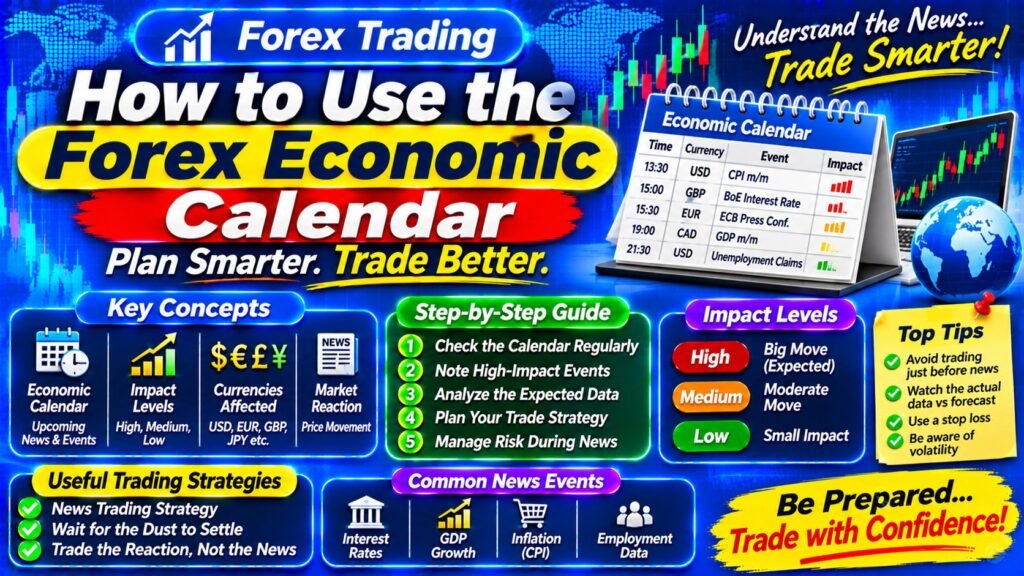
News traders position around scheduled releases — NFP, CPI, rate decisions. The timing is fixed by the economic calendar rather than by session.
This is genuinely difficult. Spreads widen dramatically in the seconds around a release, slippage is significant, and price frequently spikes both directions before settling. It is not a beginner approach, and I would suggest avoiding it entirely for at least your first year.
Building a schedule that fits your life
Start from your actual availability rather than from what the ideal session would be.
| Your available hours (local) | Realistic approach |
|---|---|
| Overlaps 13:00–17:00 GMT | Any style, including scalping |
| Overlaps 08:00–12:00 GMT | Intraday on London session |
| Overlaps Tokyo hours | Range trading, yen pairs |
| Only dead hours available | Swing trading, pending orders |
| Only weekends free | Analysis and planning only |
The bottom two rows deserve emphasis. If your available time falls in thin-liquidity hours, forcing an intraday strategy into that window will not work, no matter how sound the strategy is. Switching to swing trading is not settling for less — it is matching your method to your circumstances, which is what every professional does.
When not to trade
Knowing when to stay out is as valuable as knowing when to enter, and considerably less discussed.
The 21:00–23:00 GMT gap. Lowest liquidity of the day, widest spreads, erratic price action on small orders.
The minutes around major news unless news trading is specifically your strategy. Spreads can multiply five or ten times, and stops get taken out by the widening rather than by price actually reaching your level.
Late Friday. After roughly 17:00 GMT, position squaring produces moves that do not reflect genuine direction. Opening new positions here also means carrying weekend gap risk.
Major holidays. Christmas and New Year, plus public holidays in London or New York, produce thin conditions that behave unpredictably.
When you are tired, unwell, or upset. This is not a market condition but it belongs on the list. Every trader can identify losses that came from trading in a state where they should not have been at the screen at all.
The revenge trade window
The most expensive hour in most traders’ careers is the hour immediately after a significant loss. Judgement is compromised, the desire to recover is strong, and position sizes drift upward. If you take one scheduling rule from this lesson, make it this: after a loss that genuinely bothers you, stop for the day. The market will still be there tomorrow, and so will your capital.
A sample weekly routine
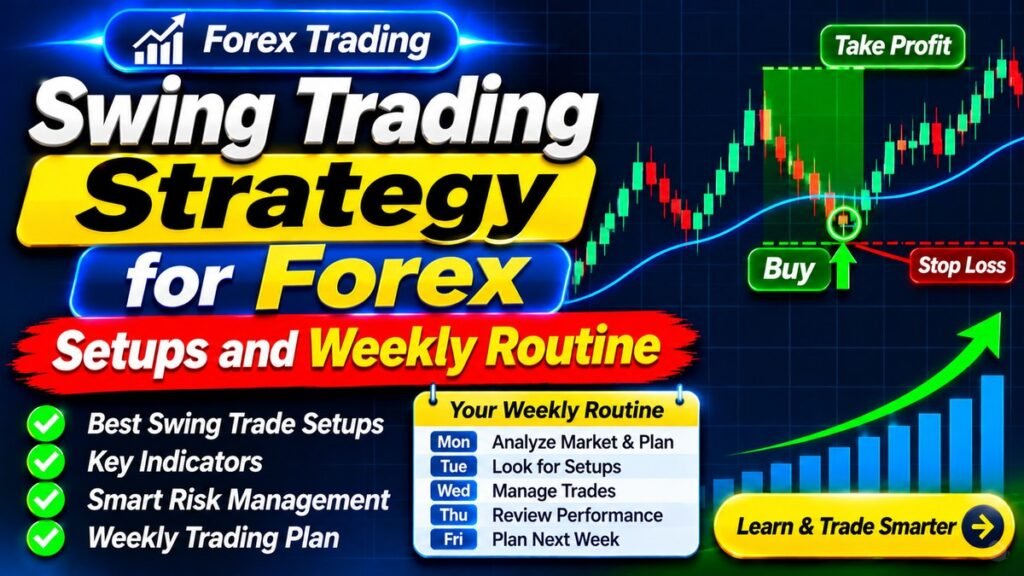
Structure beats intention. Here is what a reasonable weekly rhythm looks like for a swing trader with limited hours.
SUNDAY EVENING — 30 minutes
Review weekly charts, mark key levels,
check the week’s economic calendar
MONDAY TO FRIDAY — 20 minutes daily
Check open positions, review daily close,
place or adjust pending orders
SATURDAY — 45 minutes
Journal review: what worked, what did not,
and whether rules were actually followed
Under three hours a week. Considerably more effective than eight hours a day of watching charts and looking for reasons to act.
What consistency actually looks like
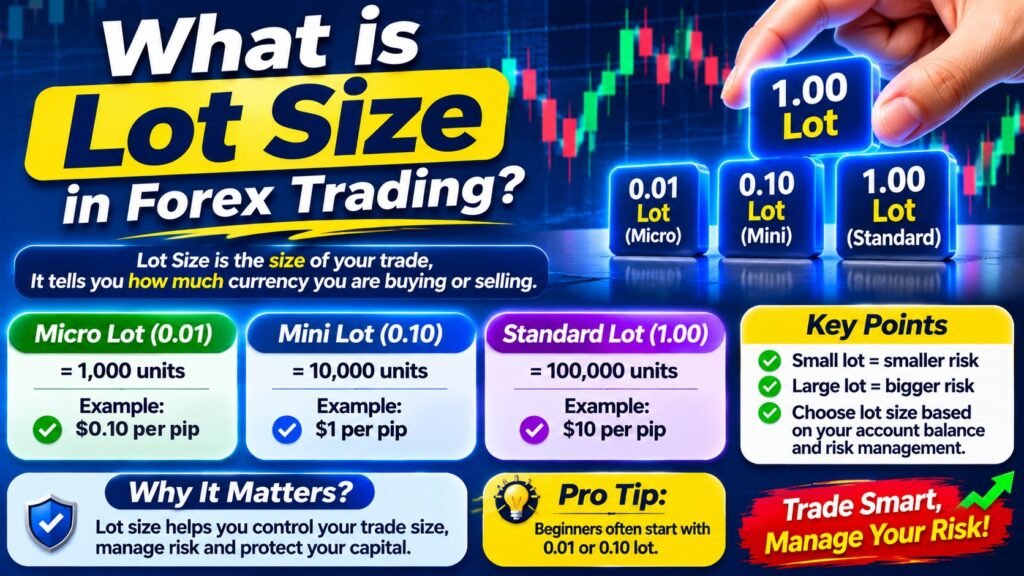
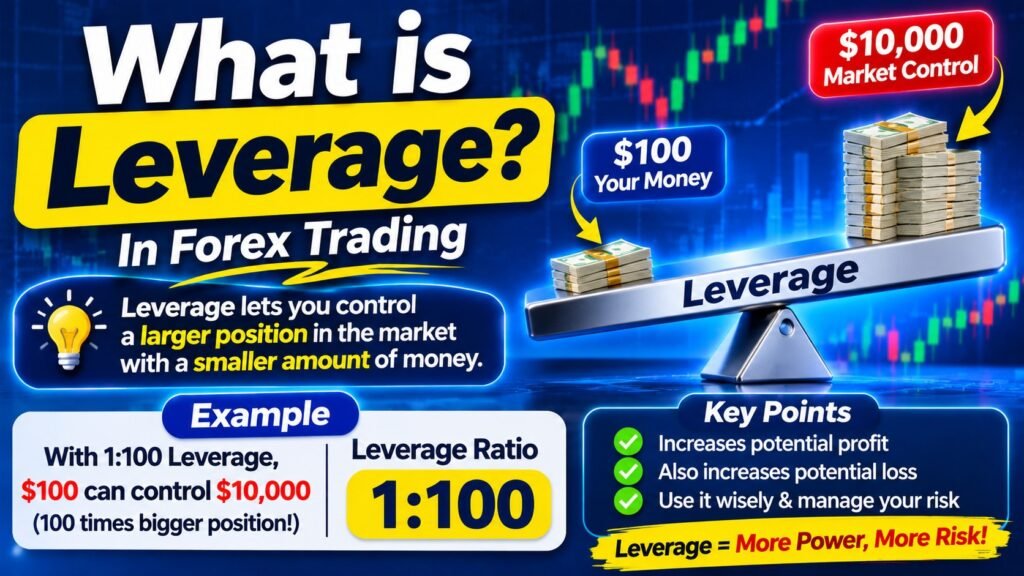
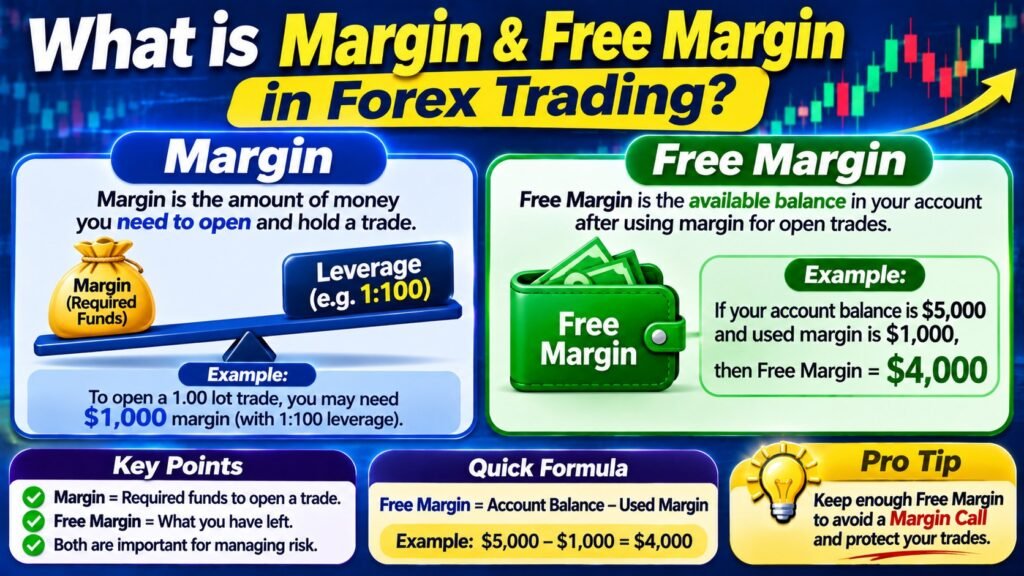
We have covered mechanics across thirteen lessons — pips, lots, leverage, margin, spread, orders, brokers, sessions. All of it is necessary and none of it is sufficient.
The traders I have watched develop genuine consistency over the past twelve years share a small number of habits, and none of them are technical.
They trade the same setup repeatedly rather than hunting for new ones. They size positions identically every time, so results reflect the strategy rather than varying conviction. They keep a journal and actually read it. They accept losses as a cost of doing business rather than as failures requiring correction. And they trade far less often than beginners expect.
That last point surprises people most. Professional traders are frequently bored. Beginners are frequently busy. The correlation runs in the direction you would not guess.
What I would tell myself starting out
The mechanics in this guide can be learned in a few weeks. The discipline to apply them consistently takes years, and that is the actual work. Nearly everyone underestimates the second part because the first part feels like progress. If you finish this guide understanding that money management and psychology will determine your results far more than any indicator, you have already avoided the mistake that costs most traders their capital.
Where to go from here
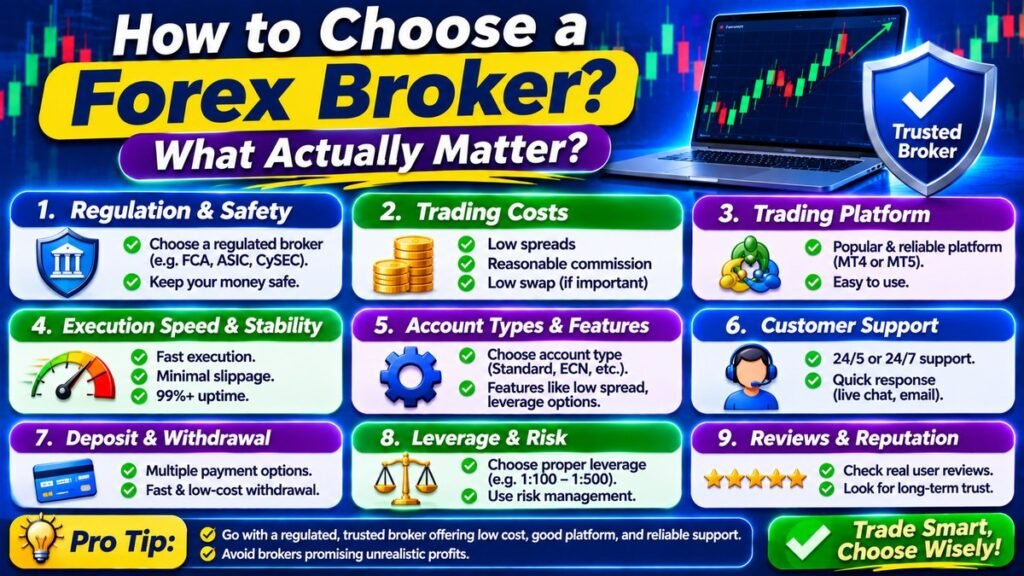
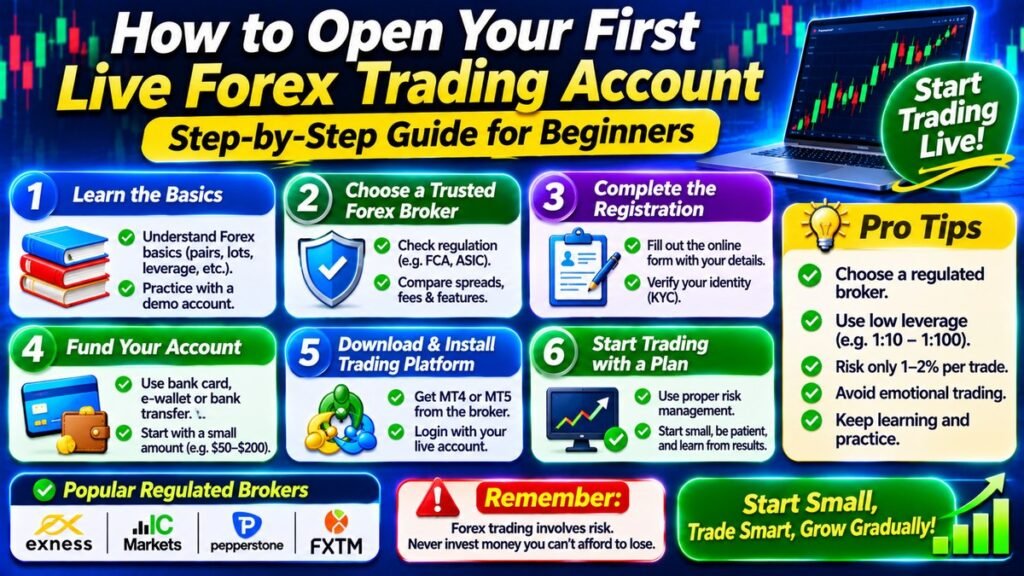
You have completed the Beginner’s Guide. You understand what the market is, how it works, how money moves in a trade, how to execute properly, how to choose a broker, and when to trade.
The next step is building an actual strategy — a specific, written set of rules for what you trade, when you enter, where your stop goes, and where you exit. Our Trading Strategies and Forex Indicators sections cover this in the same detail.
If it helps to see how the ideas in this guide look applied to a live market, our daily market analysis publishes the reasoning behind each session — the levels being watched and why. Reading someone else’s analysis is no substitute for forming your own, but it is a reasonable way to check your thinking against another view while you build confidence.
We also publish daily Forex, Gold and Indices signals on Telegram, each with a single entry, one stop loss and one take profit — deliberately simple, so that the position sizing you learned in Lesson 5 applies directly without partial closes or moving targets to complicate it. If you do follow signals from us or anyone else, treat them as someone else’s analysis rather than instructions. The risk rules in this guide remain yours to enforce, and no signal provider — including us — can do that part for you.
Before that, two suggestions.
Re-read Lessons 5, 6 and 8 — position sizing, leverage and margin. These three determine survival, and survival is what buys you the time to become good.
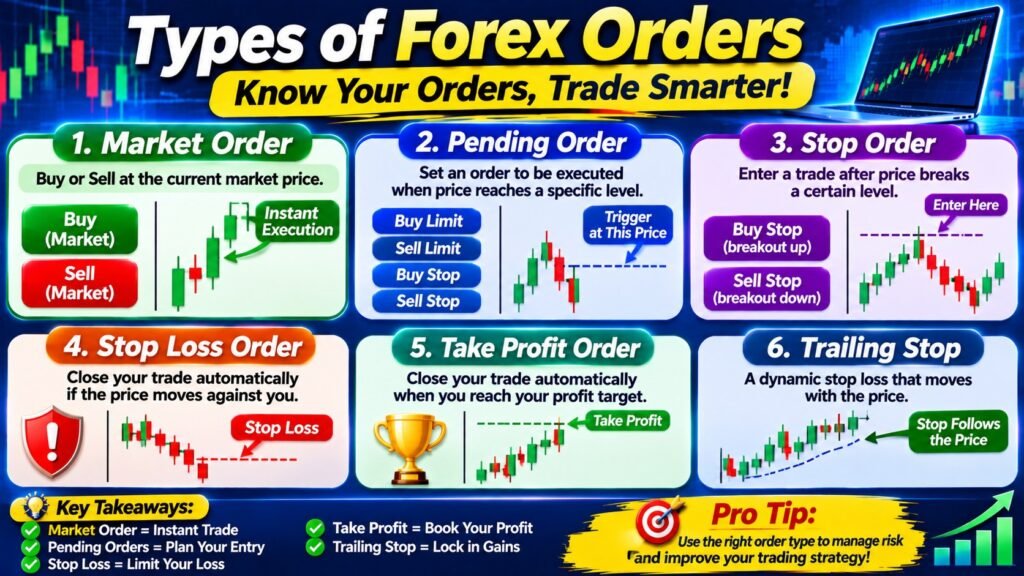
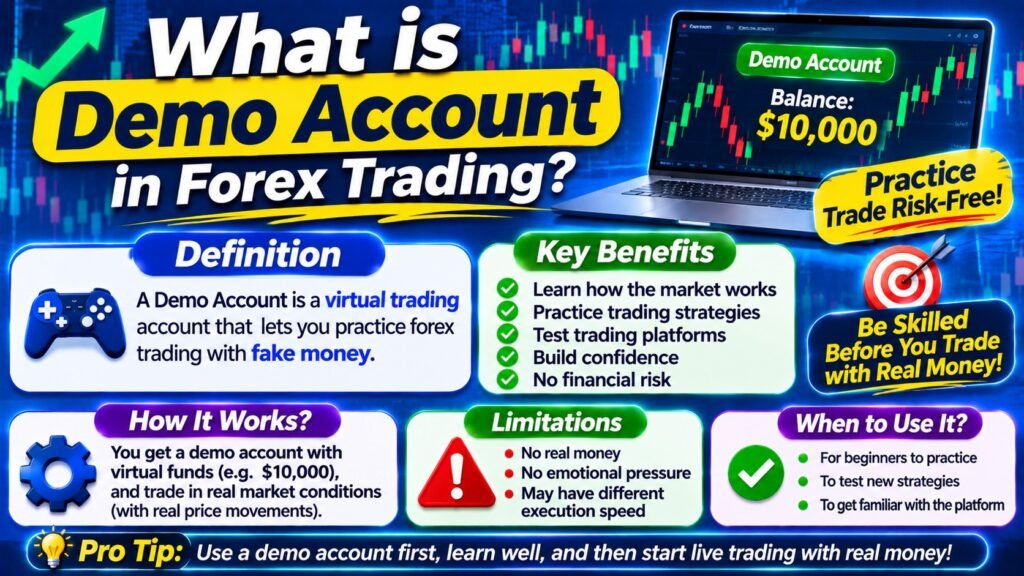
Then open a demo account, set it to your real planned deposit, and trade one simple approach for a month while keeping a journal. The learning that matters starts there, not in the next article you read.
Frequently asked questions
What is the single best time to trade forex?
The London–New York overlap, roughly 13:00 to 17:00 GMT, offers the tightest spreads and deepest liquidity for most pairs. But the best time for you is whichever active session fits your schedule consistently — trading tired at the theoretically optimal hour is worse than trading alert at a slightly less ideal one.
Can I trade profitably with only one hour a day?
Yes, with swing trading. Analysis on daily and four-hour charts, entries placed as pending orders, and a short daily review is a complete and legitimate approach. Many consistently profitable traders work exactly this way permanently.
Should I trade during news releases?
Not as a beginner. Spreads widen dramatically, slippage is significant, and price often spikes both directions before settling. Either close positions beforehand, widen stops and reduce size, or stay out entirely. News trading is a specialist approach that requires its own preparation.
Is it better to trade more often or less often?
Less often, almost universally for beginners. Overtrading is one of the most common causes of losses — taking marginal setups out of boredom, or trading during poor conditions because the platform is open. Quality of setup matters far more than quantity of trades.
How do I stop myself overtrading?
Define your hours in writing and close the platform outside them. Set a maximum number of trades per day or week. Stop for the day after a loss that genuinely bothers you. These are mechanical rules because willpower at the screen is unreliable — the goal is removing the decision rather than winning it.
What should I do after finishing this guide?
Re-read the lessons on position sizing, leverage and margin, then open a demo account set to your realistic planned deposit and trade one simple strategy for a month with a journal. Reading further before practising tends to produce knowledge without skill.