
light-dark-switchbtn

Trading Academy

Trading Psychology — Why Knowing the Rules Is Not Enough

Almost every trader who loses money knows what they should have done. They knew the position was too large, they knew the stop should not have been moved, they knew that trade was not in the plan. The knowledge was never missing. This section is about the gap between knowing and doing, [...]

Trading Psychology — Why Knowing the Rules Is Not Enough

Fear and Greed in Trading — How Each One Costs You

Fear and greed get named constantly and explained rarely. They are not character flaws to overcome — they are ordinary responses to uncertainty and reward that would serve you well almost anywhere else. In trading they misfire, and the useful work is recognising the specific trades where they are making the decision. [...]
Fear and Greed in Trading — How Each One Costs You

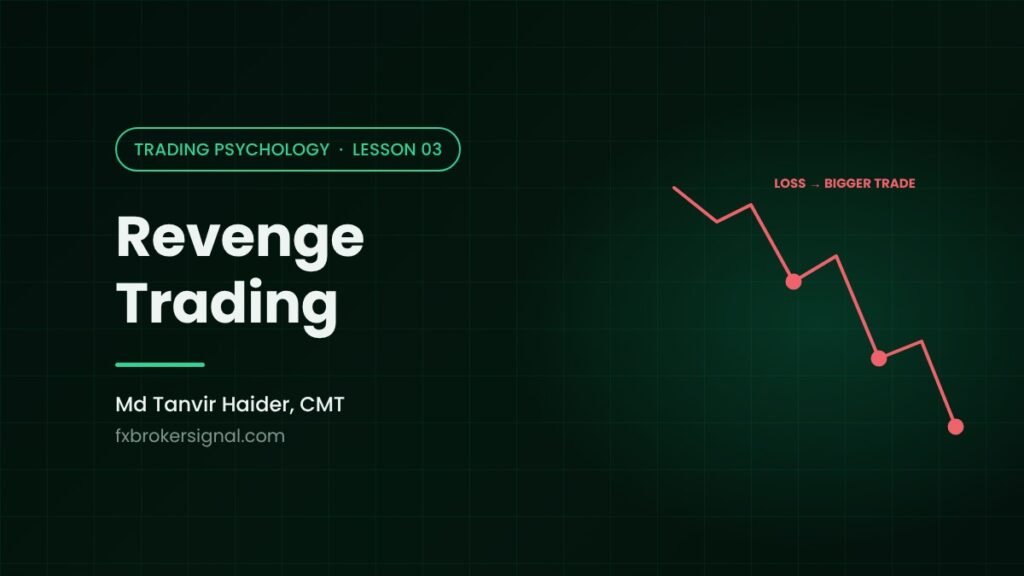
Revenge Trading — The Pattern That Ends Accounts

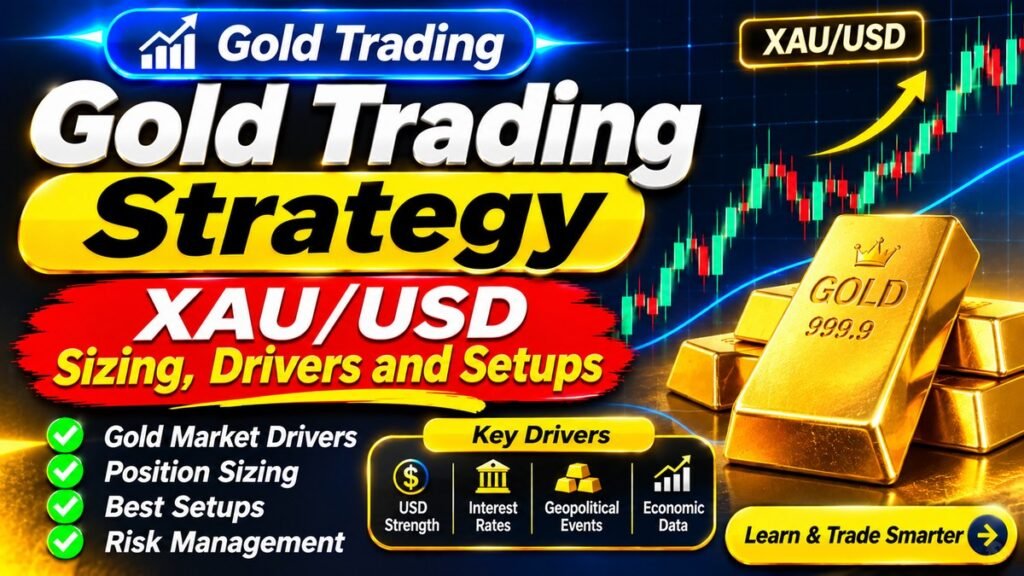
Revenge trading is the pattern that ends accounts. Not slowly, through gradual erosion, but in an afternoon — where a planned two percent loss becomes fifteen, and every trade after the first was an attempt to undo the one before it. What it is Trading to recover a loss rather than because [...]
Revenge Trading — The Pattern That Ends Accounts

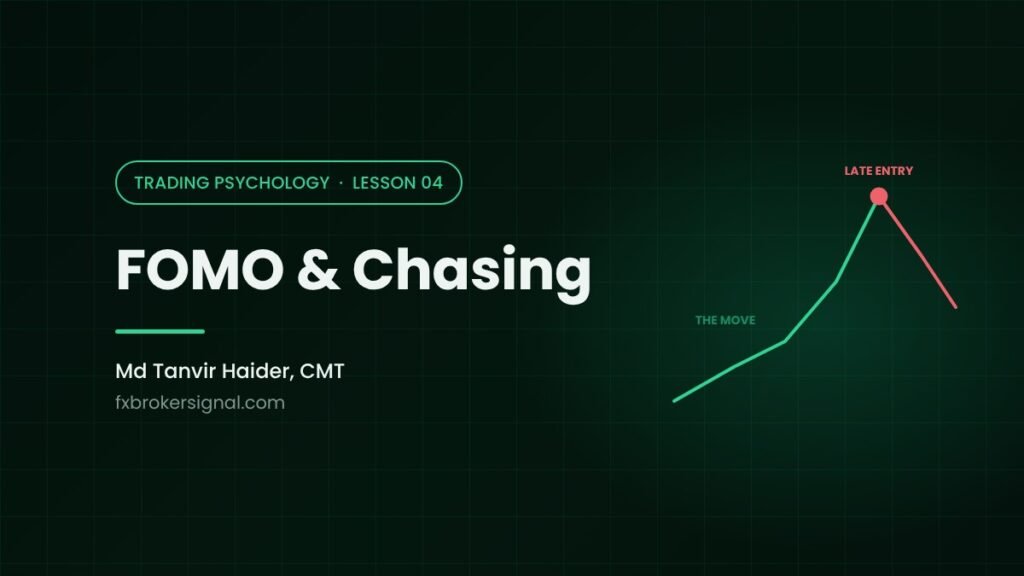
FOMO in Trading — Why Chasing Moves Loses Money

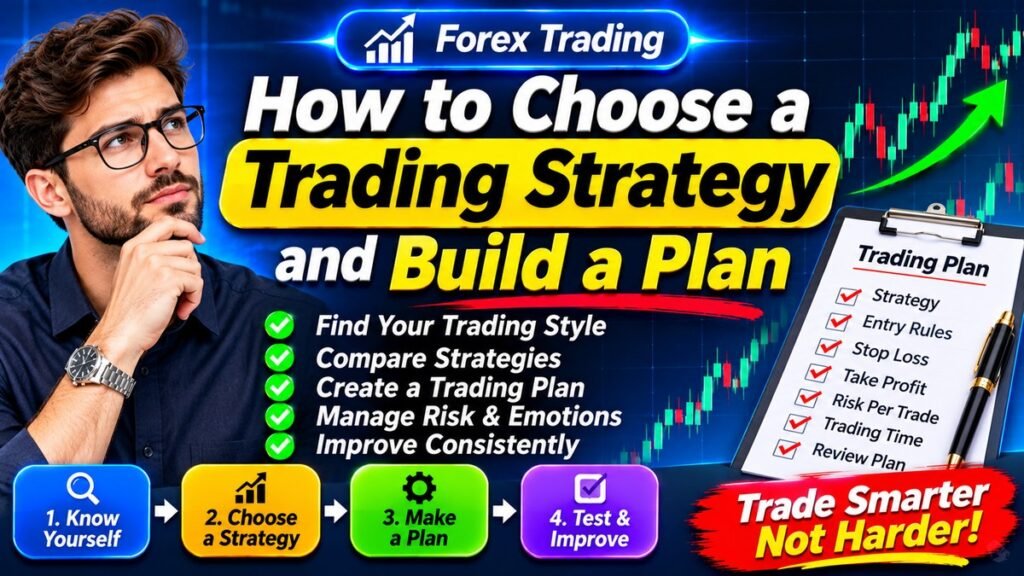
FOMO produces the worst entries available. Not because the analysis was wrong — usually it was right, which is the problem — but because entering after a move has run means buying where the reward is smallest and the risk is largest. The trade that looked obvious is obvious to everyone, including [...]
FOMO in Trading — Why Chasing Moves Loses Money

Overtrading in Forex — Why More Trades Means Less Profit

Overtrading is the hardest pattern to see in yourself, because every individual trade has a reason. Nobody takes a trade they believe is bad. What happens instead is that the standard drops slightly, repeatedly, until an approach that worked on eight trades a month is being applied to forty. What overtrading means [...]

Overtrading in Forex — Why More Trades Means Less Profit

Handling Losses in Trading — Making Them Routine

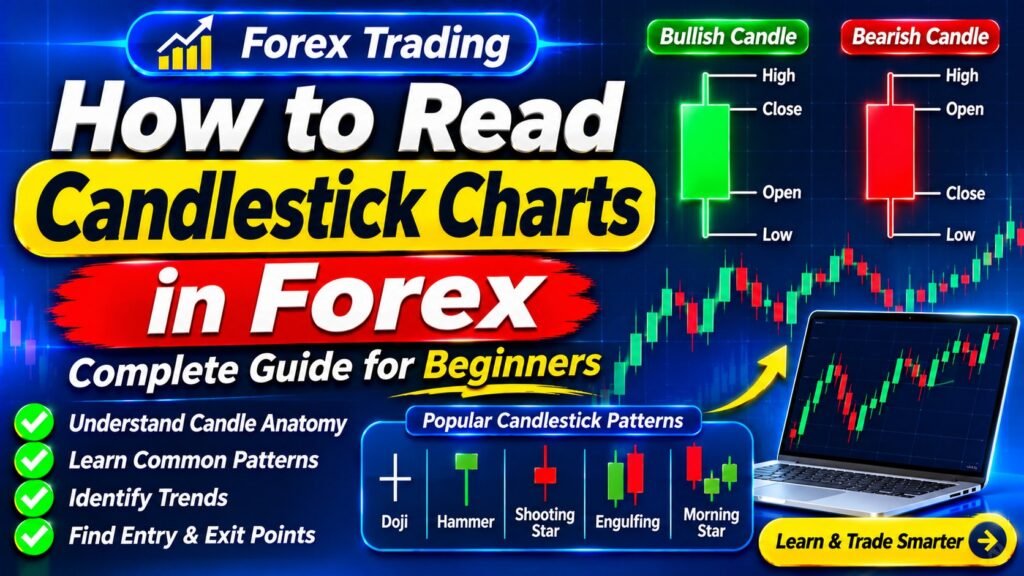
Nearly every pattern in this section traces back to how a trader experiences a losing trade. If a loss registers as a mistake to be corrected, revenge trading, overtrading and stop-moving follow naturally. If it registers as one outcome among many, most of them lose their fuel. The framing problem A losing [...]
Handling Losses in Trading — Making Them Routine

Patience in Trading — Waiting as an Active Skill

Waiting is the part of trading nobody prepares for. Every course teaches entries, exits and analysis; almost none address the fact that a selective trader spends the overwhelming majority of their time doing nothing, and that this is considerably harder than it sounds. What patience actually requires Three distinct things, and most [...]
Patience in Trading — Waiting as an Active Skill

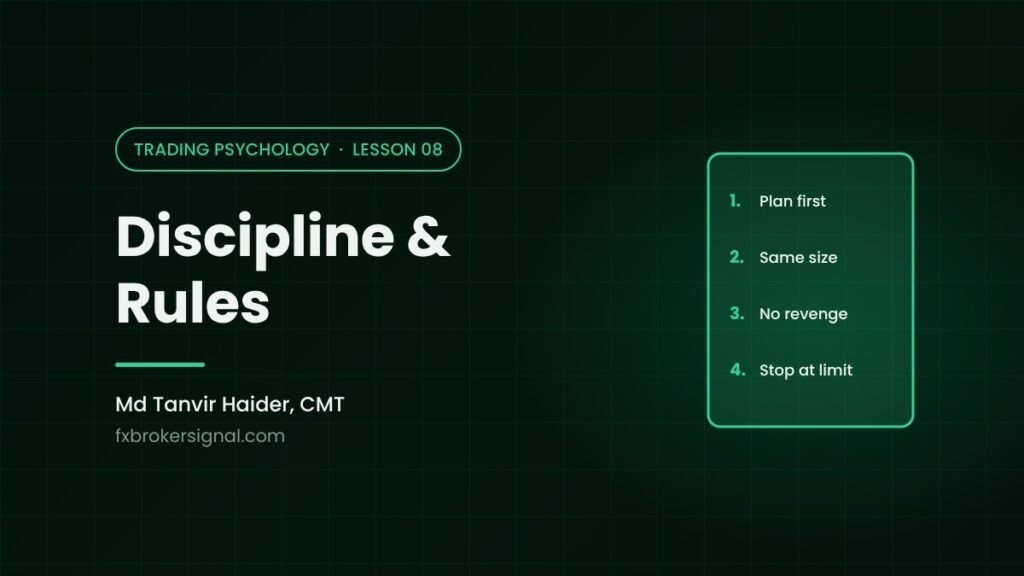
Trading Discipline — Why Structure Beats Willpower

Discipline is usually described as a personal quality — something you have more or less of, which improves through determination. That framing is why most attempts to become more disciplined fail. Discipline is better understood as a property of a system, and systems can be designed. The willpower problem Willpower is a [...]

Trading Discipline — Why Structure Beats Willpower

The Trading Journal — What to Record and How to Review

Without a journal, everything in this section is unverifiable. You cannot know whether your strategy works, whether your discipline is improving, or whether the problem is analysis or execution. You have impressions, and impressions are shaped by the most recent trade and the most emotionally memorable one. Why memory is not sufficient [...]
The Trading Journal — What to Record and How to Review

Building Consistency in Trading — The Process That Holds

Consistency is not a personality trait some traders have. It is what happens when the same process runs regardless of how the last trade went, and a process that runs regardless has to be designed that way. This lesson assembles the section into something you can actually operate. What consistency means Not [...]

Building Consistency in Trading — The Process That Holds

Trading academy